

Sea-level rise
Is Tuvalu sinking?
What the data show about the rising sea, the land-growth study, and life on low ground.
Climate & Oceans
King tides already flood parts of Funafuti, and salt water is reaching the pits where pulaka, the staple root crop, is grown. Rising seas threaten the land the nation stands on.
COP26
In November 2021 Simon Kofe, then Tuvalu’s Foreign Minister, recorded this statement for the COP26 climate summit while standing in the sea at Funafuti.
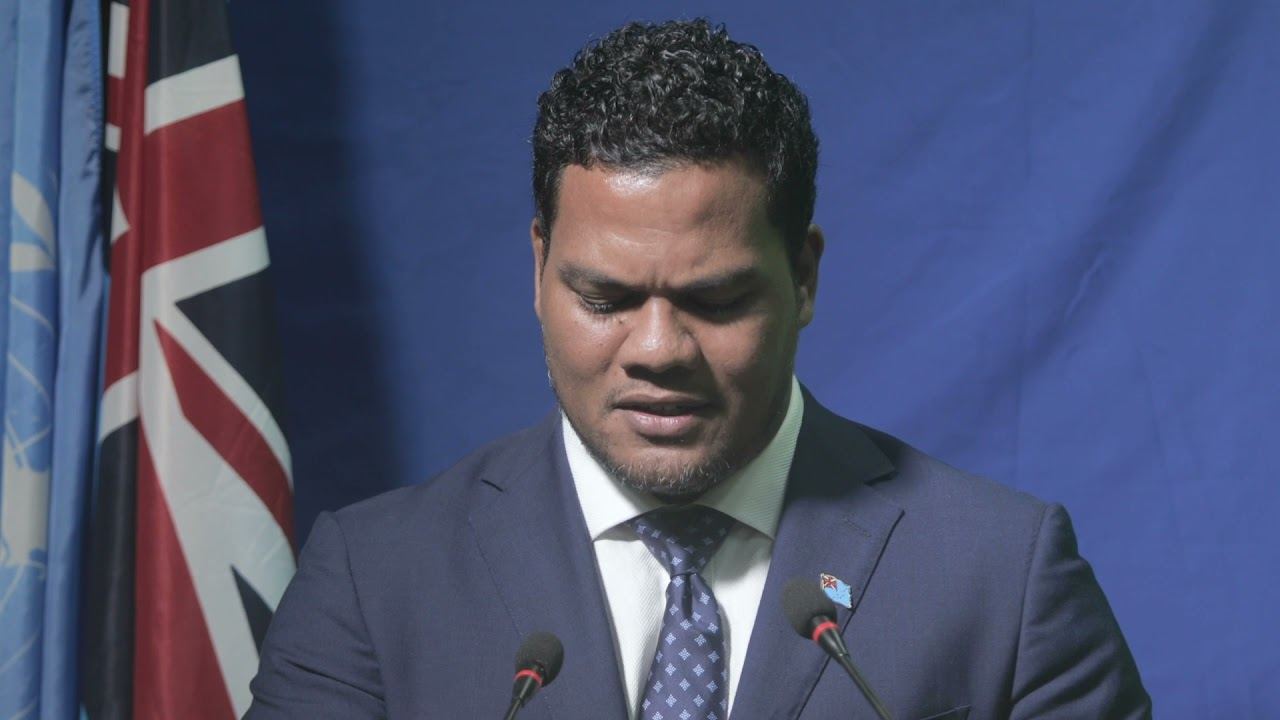 Play video
Video from YouTube. It loads only when you press play.
Priorities
Protecting Tuvalu’s ocean
Tuvalu’s maritime zone covers about 750,000 square kilometres, nearly 30,000 times its land area. Its fish are one of the country’s main sources of income, and its seabed is drawing new interest. The Ambassador works on three threats to it.
Fishing without a licence, or outside the rules, takes income and food from Tuvalu and damages tuna stocks the whole region depends on. Tuvalu works with its neighbours and partners to detect and stop it.
Vessels operating in and around Tuvalu’s waters outside the rules that keep the ocean safe and lawful are a growing menace for small maritime States with limited means to patrol their seas.
Proposals to mine the deep seabed raise hard questions for island nations about ocean health, fisheries and who benefits. The Ambassador coordinates discussions among island States to reach a common position.


Adaptation
Raising land, protecting its statehood in law, giving people choices and taking its case to the world’s courts.

Tuvalu supports the Global Principles for Addressing Climate Mobility, adopted at the Berlin Climate Mobility Forum in June 2026.
Explainers
Sea-level rise
What the data show about the rising sea, the land-growth study, and life on low ground.

Treaty
The Tuvalu–Australia treaty that offers a choice to move, with rights intact.

Statehood
How Tuvalu is protecting its statehood, records and culture for the long term.
Quick answers
Sea level at Funafuti rose about 14 cm between 1993 and 2024. King tides flood low ground more often, salt water reaches the pits where pulaka is grown, groundwater turns brackish, and storms erode the shore. Tuvalu’s highest natural point is only about 4.6 metres above the sea.
In a unanimous advisory opinion delivered on 23 July 2025, the ICJ found that States have legal obligations under international law to protect the climate system from greenhouse gas emissions, and that breaching them can carry legal consequences. Pacific island nations led the campaign that brought the question to the Court.
Loss and damage means the harm from climate change that adaptation cannot prevent, such as land lost to the sea or crops destroyed by salt water. Countries agreed at COP27 in 2022 to set up a fund to help vulnerable nations respond, and Tuvalu argues it must be simple for small islands to access.
Cut emissions fast enough to keep 1.5°C within reach, provide adaptation and loss-and-damage finance that small islands can actually use, recognise that Tuvalu’s statehood and maritime boundaries are permanent, support dignified climate mobility, and give the ocean its own place in climate negotiations.